
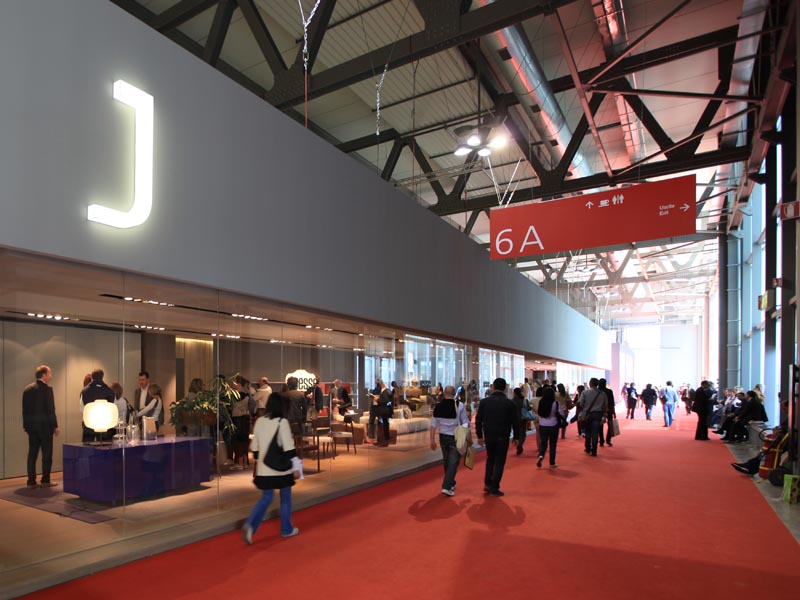
Trade shows and public exhibitions run on tight schedules, where stands must arrive intact and fit their assigned space. An ATM display adds extra demands: secure equipment, power access, clear visitor flow, and precise positioning. Behind a neat presentation sits a chain of transport, venue checks, assembly tasks, and coordination, all managed by an ATM stand builder before guests arrive.
Mapping the venue before delivery
Logistics starts with venue information. Teams review floor plans, loading rules, ceiling heights, lift dimensions, and access hours before dispatch. They confirm the stand footprint and mark the ATM position, cable routes, queue space, and servicing. A missed measurement can delay unloading or force costly onsite changes. Clear drawings give fabricators, drivers, and venue staff a shared reference.
Packing components safely
A stand may include frames, branded panels, counters, lighting, screens, locks, and electrical parts. Crews label each item, group fittings by assembly stage, and protect surfaces with suitable wrapping. They secure heavy sections inside the vehicle to prevent damage. An item checklist helps the site team spot missing parts before installation.
Coordinating delivery and site access
Delivery slots at venues can be brief, and contractors may compete for loading areas. Managers book arrival times, share vehicle details, and assign a driver contact. They check access passes and unloading equipment early. A late vehicle can disrupt the build sequence, so teams track transit progress.
Handling power and security requirements
An ATM display requires reliable power and security. Installers confirm socket locations, circuit capacity, cable protection, and venue restrictions. They position the machine on a stable surface, keep service panels reachable, and avoid blocking emergency routes. Where the unit contains cash handling equipment, the client coordinates access, supervision, and activation with its provider.
Assembling the stand on schedule
At the site, the crew follows the drawings. They level the base, secure the frame, fit panels, connect approved electrical equipment, and inspect finishes. A supervisor compares the stand with the layout and resolves issues before handover. The team removes packaging and keeps nearby aisles clear.
Final checks cover branding, lighting, stability, cables, access, and visitor movement. The client tests the ATM with the authorised provider and confirms operating procedures before guests arrive. Good logistics turn a complex installation into a calm setup, protect equipment, and help the stand present a professional image throughout the event across event sessions.