
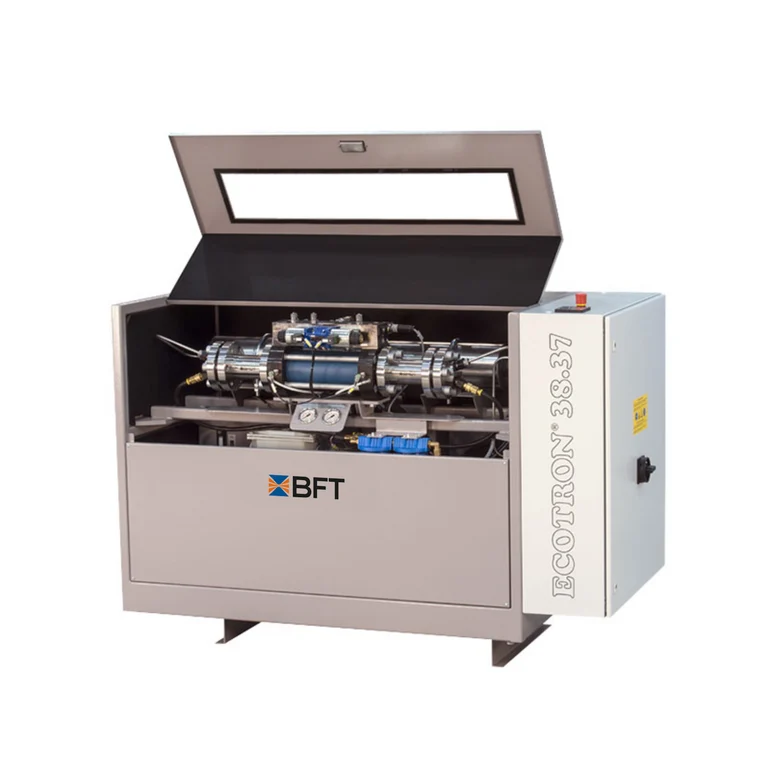
What happens when precision matters, but the material is too tough for conventional cutting methods? Abrasive waterjet technology offers a powerful solution, using a high-pressure stream enhanced with abrasive particles to cut through challenging materials with impressive accuracy. From intricate components to demanding industrial applications, the technique continues to prove its versatility.
This article looks into the key principles, applications, and considerations behind effective waterjet cutting Dubai.
What is abrasive waterjet cutting?
Abrasive waterjet cutting uses pressurized water mixed with fine abrasive material, commonly garnet. The mixture exits a small nozzle at high speed and cuts the selected material. The abrasive particles perform the actual cutting action as they strike the surface and remove tiny sections of material. This process suits hard materials that challenge traditional cutting equipment. Operators use it for steel, aluminum, titanium, stone, ceramic, glass, and several composite materials.
Choosing the right abrasive
Abrasive selection affects cutting performance and finish quality. Garnet remains a popular choice because it offers strong cutting performance and works well across various materials. Operators also consider particle size, purity, and feed rate. A suitable abrasive grade helps maintain steady cutting results while controlling operating costs. The right choice also supports consistent nozzle performance during production.
Setting the correct pressure
Water pressure directly affects cutting speed and performance. Higher pressure gives the jet stronger cutting force, while the machine settings also depend on material thickness and hardness. Operators set pressure, abrasive flow, and cutting speed together. A balanced combination helps produce accurate edges and reduces unnecessary material waste. Regular checks also help maintain stable machine performance.
Controlling cutting speed
Cutting speed has a direct effect on edge quality. Fast movement saves production time, while slower movement usually supports deeper cuts and finer results. Operators select a suitable speed according to material type, thickness, and required finish. Modern machines allow precise speed adjustments during production. This flexibility helps workshops handle different projects without changing their entire cutting setup.
Maintaining the cutting nozzle
The nozzle guides the abrasive jet toward the material, so its condition matters greatly. Wear can change the jet shape and reduce cutting accuracy. Operators inspect the nozzle regularly and replace worn parts before quality problems appear. Proper nozzle care also supports consistent kerf width and cleaner edges. Regular inspection helps reduce interruptions during demanding production schedules.