
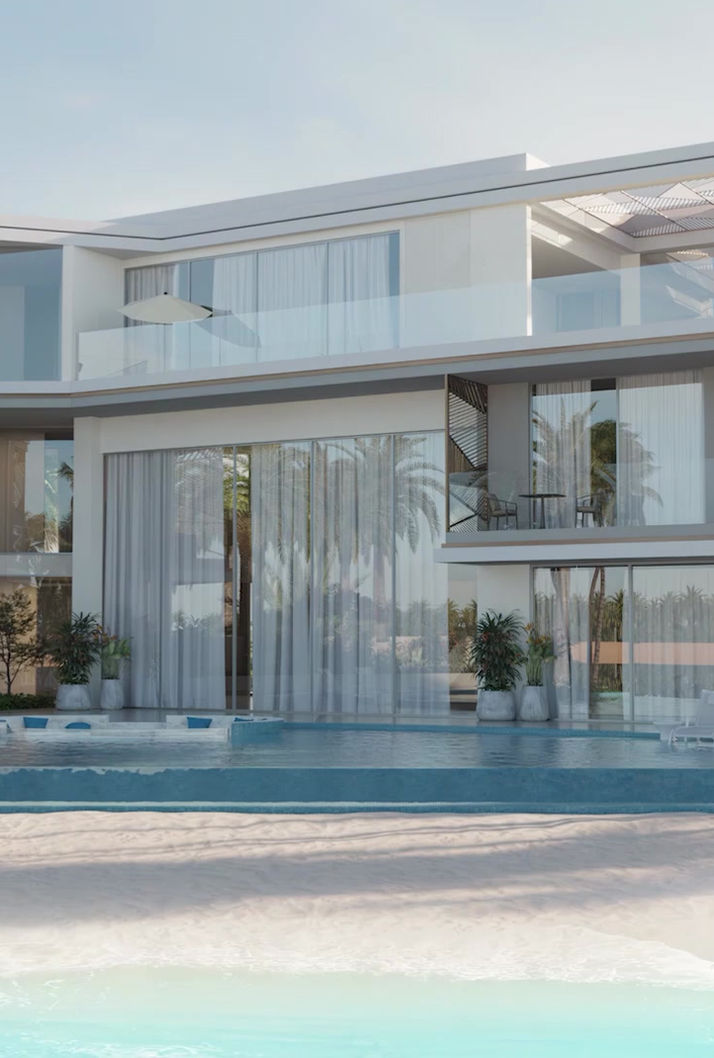
A strong 3D visual can help buyers understand a property before construction is complete. But getting the right result starts well before rendering begins. A vague brief can lead to repeated revisions, missed details, and visuals that do not match your original vision.
Giving a studio clear information for 3D rendering in Dubai from the start helps the creative team understand the project, audience, and visual goals. Here is what to include in your brief.
Start with the project basics
Begin with the essential information about the development. Share the property type, location, size, number of units, intended audience, and current stage of the project. If the development has a particular selling point, such as waterfront views, premium amenities, spacious interiors, or a distinctive architectural concept, include that too. These details can influence how the final visuals are presented.
Provide accurate architectural information
Your rendering team needs reliable source material to create accurate visuals. Provide architectural drawings, floor plans, elevations, CAD files, material specifications, and any available 3D models. Make sure the latest versions are clearly identified. Working from outdated drawings can result in costly revisions later.
Explain the desired visual style
Be specific about the look you want. You might prefer a photorealistic presentation, a clean architectural style, a warm lifestyle scene, or something highly polished for luxury marketing. Reference images can be particularly useful. They give the studio a clearer idea of your preferred lighting, atmosphere, materials, camera angles, and overall feel.
Identify the important spaces
Tell the studio which areas need to be rendered and how each will be used. This could include exterior views, living rooms, kitchens, bedrooms, bathrooms, amenities, landscaped areas, or communal spaces. If certain features are important selling points, highlight them so they receive appropriate attention in the visuals.
Define the target audience
A visual created for luxury property buyers may require a different presentation from one aimed at first time buyers, investors, or families. Explain who you want the images to appeal to and where they will appear. Marketing campaigns, property listings, brochures, websites, presentations, and social media can all have different requirements.
Clarify deliverables and deadlines
Specify how many images you need, preferred resolutions, file formats, aspect ratios, and delivery dates. Also discuss the revision process before production starts. Clear expectations around approvals and revisions can help keep the project moving without unnecessary delays.