
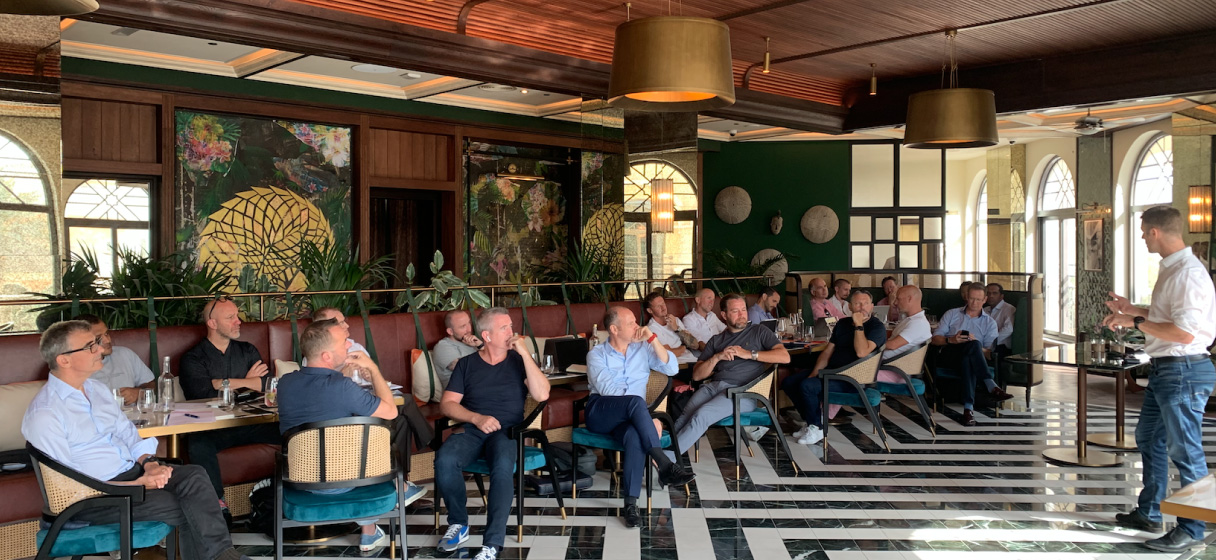
Great leaders do beyond direct tasks or set targets. They listen, communicate clearly, handle tension, inspire trust, and help people perform with confidence. These human skills influence daily teamwork and decision making, so leading programs place strong attention on them. That focus explains why leadership courses in Dubai place soft skills at the heart of modern leadership training for ambitious professionals.
Communication builds stronger leaders
Clear communication helps leaders express ideas, give useful feedback, and address concerns before they grow into larger issues. Strong speakers also know how to listen. They pay attention to tone, questions, and reactions during conversations. This balance helps teams understand expectations and share ideas openly. Leadership training develops these habits through discussions, presentations, group activities, and practical workplace situations.
Emotional intelligence improves team relationships
Emotional intelligence helps leaders recognise their own emotions and respond thoughtfully to other people. A manager who stays composed during pressure gives the team greater confidence. Understanding different personalities also helps leaders adjust their communication style. Soft skills training teaches professionals to recognise emotional signals, manage reactions, show empathy, and build respectful relationships across different teams.
Conflict management supports productive teams
Disagreements appear in every workplace, but skilled leaders handle them without damaging trust. They listen to different viewpoints, identify the main concern, and guide discussions toward practical solutions. Leadership programs use role plays and realistic scenarios to develop these abilities. Professionals learn to address difficult conversations directly while maintaining respect, fairness, and professional boundaries.
Adaptability prepares leaders for change
Workplaces shift quickly as teams adopt new systems, markets move, and priorities change. Adaptable leaders respond with an open mindset instead of resisting every adjustment. They encourage their teams to stay focused while responding to new circumstances. Soft skills courses strengthen flexibility through problem solving exercises, collaborative tasks, and situations that test judgment under pressure.
Confidence strengthens decision making
Confident leaders make decisions with clarity and accept responsibility for their choices. Confidence does not mean ignoring other opinions. Skilled leaders gather useful input, assess available information, and communicate their decisions with conviction. Leadership training gives professionals opportunities to speak, present ideas, solve problems, and receive constructive feedback, helping them develop greater confidence in professional settings.