
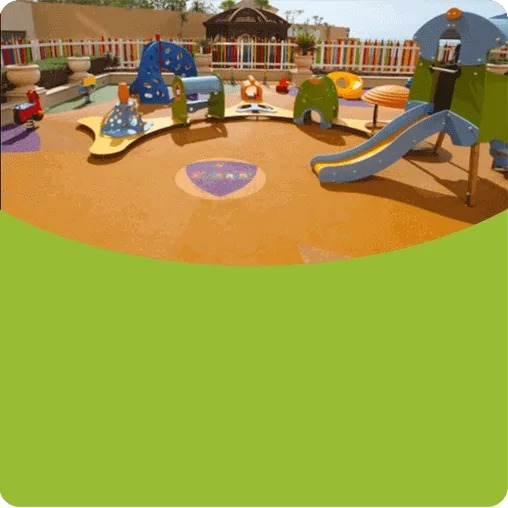
Warm weather gives young children plenty of chances to run, explore, and enjoy fresh air. Outdoor play supports movement, social skills, and curiosity, while strong sunlight calls for sensible protection. Nurseries can keep playtime comfortable by combining shade, suitable clothing, sunscreen, and hydration. These simple routines help children enjoy sunny days safely at a nursery in Dubai throughout the year.
Choose the right play times
Staff schedule outdoor sessions during cooler parts of the day and limit play during periods of intense sunlight. Early morning and later afternoon usually offer a more comfortable setting than midday hours. Educators also watch local weather conditions and adjust outdoor activities when temperatures rise sharply. Shorter sessions, quiet games, and shaded activities help children stay comfortable while they enjoy fresh air.
Provide plenty of shade
Shaded spaces give children a break from direct sunlight during outdoor sessions. Nurseries can use covered play areas, trees, canopies, umbrellas, or other suitable structures to offer protection. Staff position active games within shaded zones whenever possible and encourage children to move into cooler areas during breaks. A well-arranged outdoor space gives children room to play while reducing direct sun exposure.
Use sun protective clothing
Lightweight clothing with good coverage helps protect young skin during outdoor play. Wide brim hats offer extra coverage around the face, ears, and neck, while loose fitting tops and trousers protect larger areas of the body. Staff also check that children wear suitable footwear for outdoor surfaces. Families can provide comfortable sun protective clothing that suits the nursery routine and local weather.
Apply sunscreen correctly
Sunscreen forms an important part of a nursery sun safety routine. Families and staff should follow the nursery’s policy and use a broad spectrum product with suitable SPF protection. Adults apply sunscreen to exposed skin before outdoor play and reapply it according to product guidance, especially after water play or heavy sweating. Staff also check sensitive areas such as ears, neck, shoulders, and the back of hands.
Encourage regular water breaks
Young children can lose body water quickly during active play in warm conditions. Staff offer regular water breaks before children show signs of thirst and encourage small, frequent sips throughout outdoor sessions. Educators watch for signs such as unusual tiredness, flushed skin, dizziness, or reduced activity. Moving children into shade and informing families about repeated concerns supports a safer routine.